A chronicle of the evolving nature of political protests in Azerbaijan, focusing on periods of repression
Azerbaijan, a signatory to the European Convention on Human Rights and various OSCE documents guaranteeing freedom of assembly, has been accused of systematically violating this right by organisations such as Freedom House and Amnesty International.
Labour rights activist Nilufer Mammadrzaeva claims that the authorities use intimidation and false promises to maintain control over protests. This assertion is supported by the 2011 amendment to Azerbaijan's legislation, which toughened penalties for unsanctioned rallies, with fines raised and participants facing up to 30 days of administrative detention.
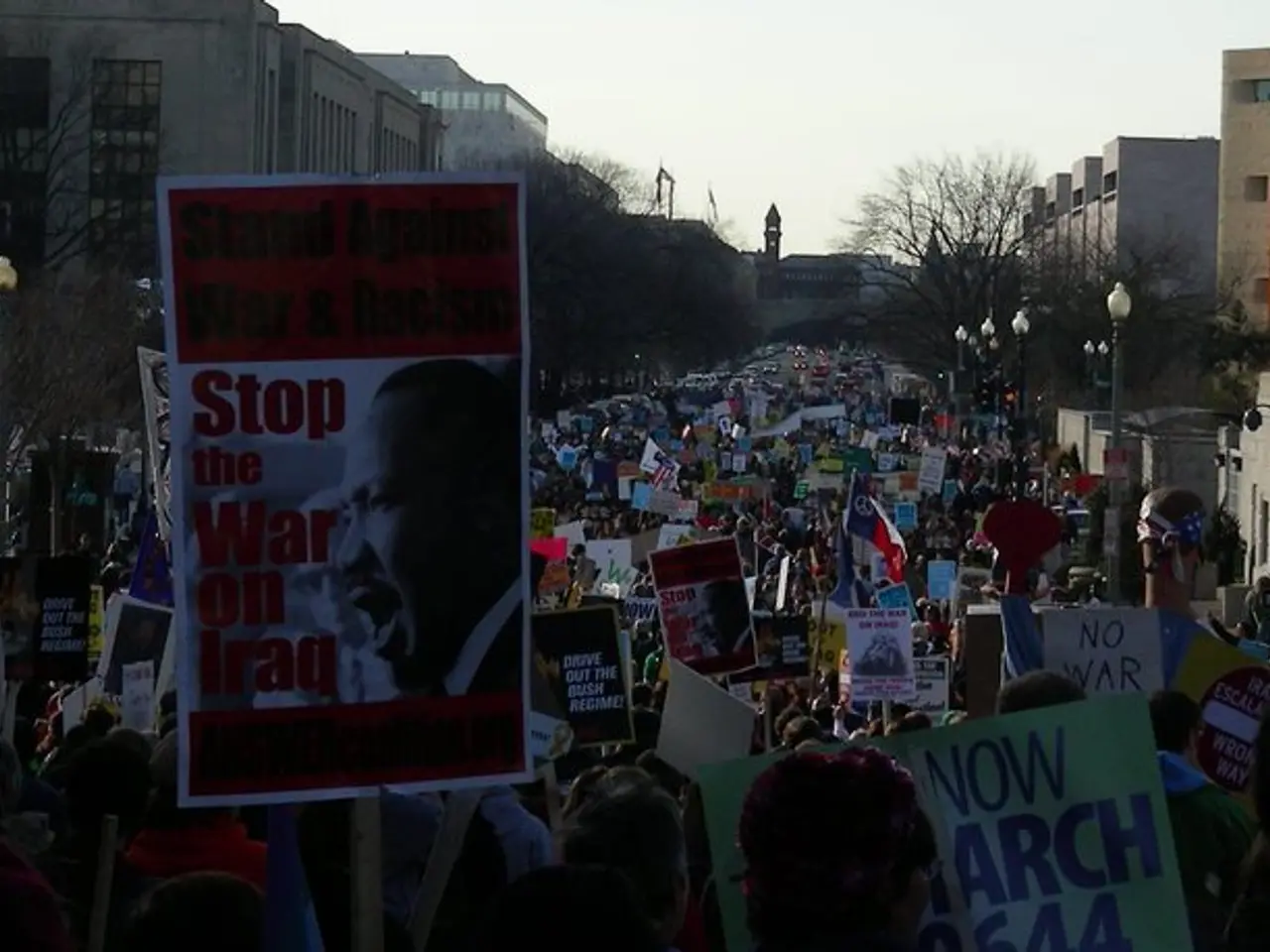
Conditions under administrative detention are often harsher than in ordinary prisons. Since the January 2019 rally, every application to hold a rally in Azerbaijan has been rejected. The last major political rally took place at Mehsul Stadium in January 2019, attracting an estimated 30,000 people.
The primary institutions involved in suppressing political protests in Azerbaijan over the last six years have been the Azerbaijani government and its security forces, including the police and intelligence agencies. Key individuals include President Ilham Aliyev and high-ranking government officials. They have cited reasons such as maintaining national stability, preventing chaos, combating alleged foreign interference, and protecting the constitutional order to justify preventing protests. These actions have included arrests, restrictions on assemblies, and censorship of opposition groups and media.
Over the past six years, hundreds of people have been arrested, including opposition activists, civil society figures, journalists, and NGO activists. An example of such suppression was the violent dispersal of the Soyudlu village demonstration against toxic waste dumping.
Protests by ordinary citizens still occur in Azerbaijan, ranging from environmental issues to labor exploitation. Taxi drivers in Baku have staged a boycott to demand better conditions, with one organizer later releasing a video of repentance after being detained and questioned.
The shrinking space for freedom of assembly in Azerbaijan calls into question not only the future of this right but of the country's political culture as a whole. Lawyer Samed Rahimli notes that although freedom of assembly is formally guaranteed by the Constitution, changes in legislation have systematically refused to allow protests in the city center, suppressing them not only with arrests but also through changes in law.
The opposition leader, Ali Karimli, and the APFP and the National Council of Democratic Forces have repeatedly applied to hold rallies, with their latest application on 18 April this year being rejected. The rally demanded the release of political prisoners, with Mehman Huseynov being one of them.
Mobile operators handed police data on people who were in the area, leading to participants and passersby being summoned to local police stations for "preventive talks." Some participants in these protests have later issued apologies, such as the Soyudlu protester who posted an apology video on TikTok.
Mammadrzaeva notes that while political rallies are banned, social protests continue, with online campaigns, petitions, and hashtags spreading widely. This digital activism, while not as visible as physical protests, remains a formidable force in Azerbaijan's ongoing struggle for freedom of assembly.
Read also:
- Impact of Alcohol on the Human Body: Nine Aspects of Health Alteration Due to Alcohol Consumption
- Understanding the Concept of Obesity
- Lu Shiow-yen's Challenging Position as Chair of the Chinese Nationalist Party (KMT) Under Scrutiny in Donovan's Analysis
- Tough choices on August 13, 2025 for those born under Aquarius? Consider the advantages and disadvantages to gain guidance