Ascending Skyward: Decoding the Mechanics of Glider Launch
In the world of glider aviation, safety and preparation are paramount. Before any glider takeoff, a thorough pre-flight inspection is essential. This includes checking control surfaces, the tow release mechanism (or winch cable connection), and ensuring proper securement of harnesses and equipment.
There are several methods to launch a glider into the air. Aerotow, a common method, uses a tow plane to pull the glider into the air using a tow rope. During this process, the glider pilot must maintain a proper position behind the tow plane, avoiding excessive slack or tension on the tow rope. Aerotow offers a significant advantage in terms of altitude gain, allowing glider pilots to reach higher altitudes and explore a wider area in search of thermals or other sources of lift.
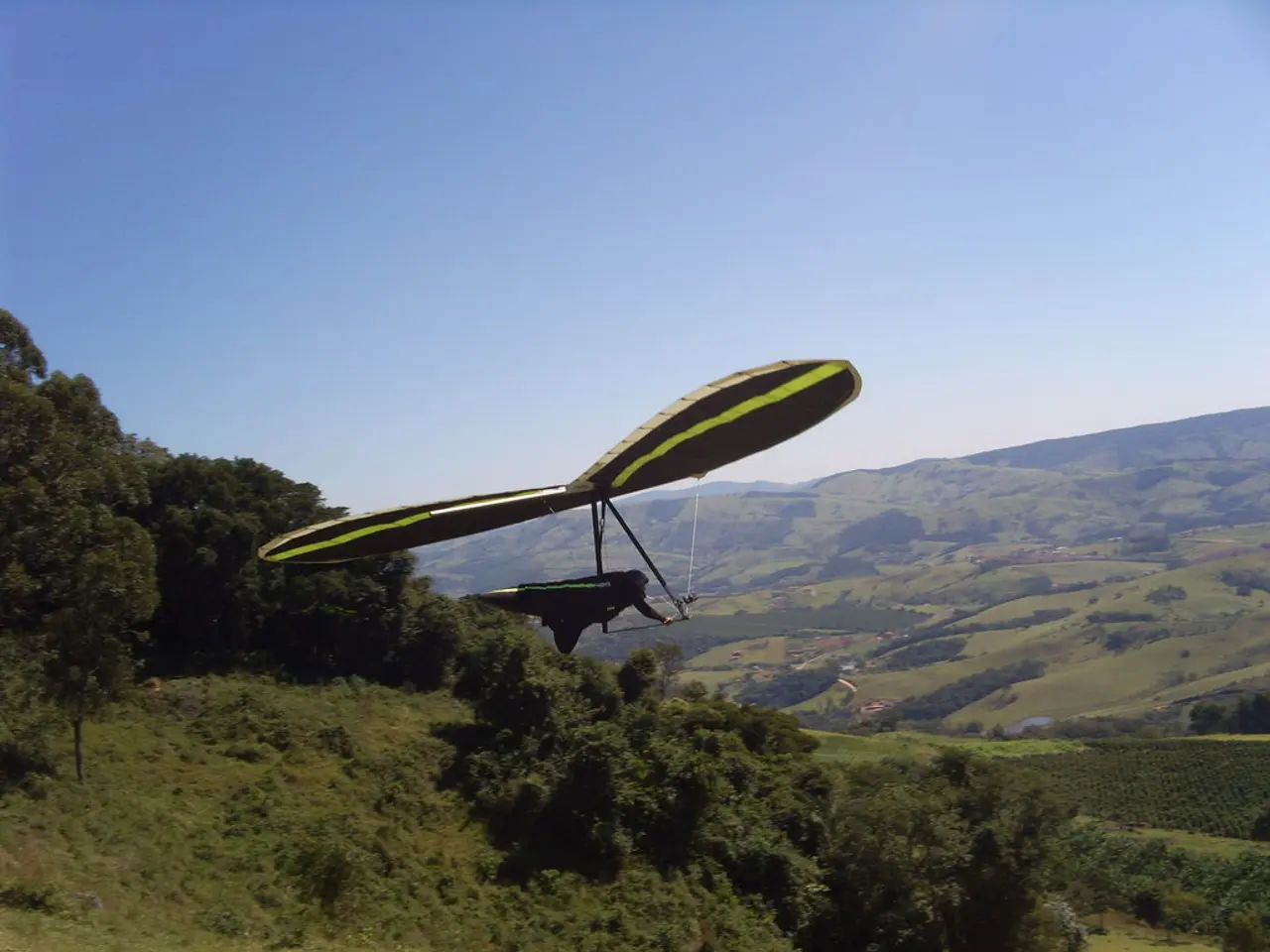
Slope soaring is a unique form of glider flight that utilises the lift generated by wind flowing over a slope or ridge. Slope soaring gliders are typically hand-launched from the top of a slope, facing into the wind. Moderate wind speeds blowing perpendicular to a ridge or slope are beneficial for slope soaring. This form of flight offers a unique connection with the natural environment and requires a keen understanding of wind patterns and a high level of piloting skill.
The bungee launch is most suitable for lightweight gliders and relatively calm wind conditions. It is a simple form of glider takeoff, using a long, heavy-duty rubber rope or bungee cord. Winch launching, a more modern and powerful ground launch method, utilises a powerful winch and a long cable to rapidly pull the glider skyward. Winch launching offers several advantages over bungee launching, including a higher launch height and greater consistency.
Self-launching gliders, or motor gliders, are equipped with their own engines, allowing them to take off and climb without external assistance. These gliders offer a unique degree of independence and flexibility, allowing pilots to take off from conventional airfields or suitable open fields.
Ideal meteorological conditions for glider takeoffs and soaring include stable atmospheric conditions with favorable winds. For thermalling, sunny days with light winds are optimal, allowing for the formation of rising columns of warm air. However, strong winds, turbulent air, and thunderstorms pose significant risks to glider operations and takeoffs should be avoided in these conditions. Wind shear, a sudden change in wind speed or direction, is also a hazardous condition that glider pilots must be aware of and avoid.
Regular practice and adherence to established safety protocols are essential for minimising risks during glider takeoffs. During the takeoff phase, constant vigilance is necessary to ensure safety and adherence to established safety protocols. Communication between the glider pilot and the tow pilot (or winch operator) is crucial to establish clear signals and procedures. Should an emergency occur, pilots must be well-trained in emergency procedures and prepared to execute them promptly and effectively.
Slope soaring, aerotow, bungee launch, winch launch, and self-launching each offer unique experiences in the world of glider aviation. Whether hand-launched from the top of a slope or pulled into the air by a tow plane, gliders soar above, connecting with the natural environment in a way that few other forms of flight can match.
Read also:
- Lu Shiow-yen's Challenging Position as Chair of the Chinese Nationalist Party (KMT) Under Scrutiny in Donovan's Analysis
- Tough choices on August 13, 2025 for those born under Aquarius? Consider the advantages and disadvantages to gain guidance
- Microbiome's Impact on Emotional States, Judgement, and Mental Health Conditions
- Restaurant staff allegedly requires Minnesota teenager to validate her gender for bathroom access.