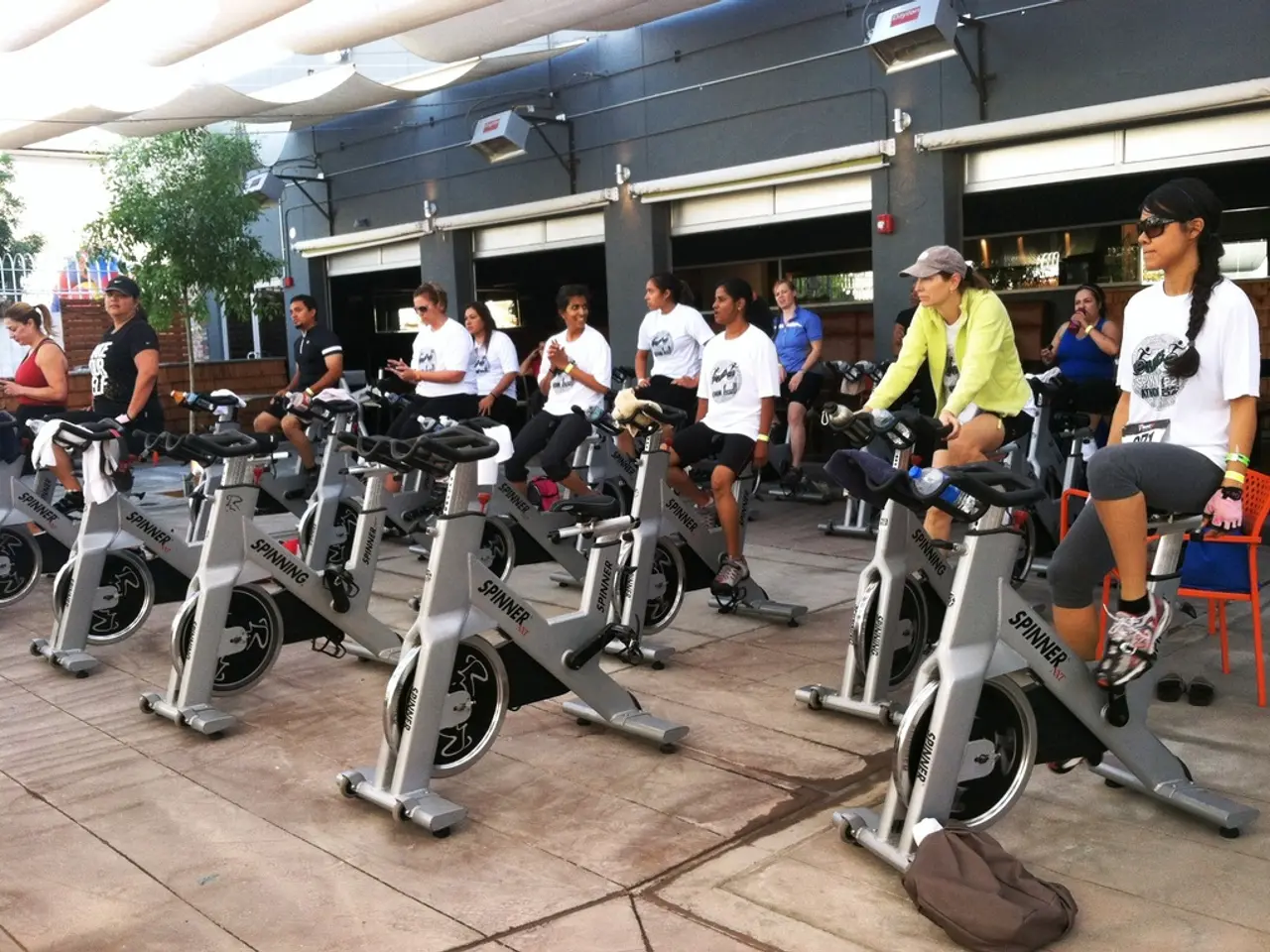
Crafting a Customized Fitness Regimen with Technology's Aid
Revolutionizing Fitness: Personalized Workouts and Nutrition with AI
In the modern world, technology is making strides in various industries, and fitness is no exception. With the advent of wearables and AI-powered fitness apps, achieving fitness goals has become more accessible and personalized than ever.
Wearables like Fitbit, Apple Watch, and Garmin are transforming the fitness landscape. These devices can track workouts, calories burned, and even sleep quality, providing users with real-time data to help them stay on track. One of the standout features of these wearables is the Active Zone Minutes feature found in Fitbit, which encourages moderate or vigorous exercise to keep users active throughout the day.
For those focusing on specific fitness objectives, such as weight loss, muscle building, or improved cardiovascular health, there are a plethora of AI-powered fitness apps to choose from. Strava, for instance, is ideal for runners and cyclists, offering tailored fitness plans, workout types, and even social features to connect with other athletes. Fitbod, on the other hand, specializes in strength training, while Nike Training Club provides comprehensive workouts suitable for various fitness levels. Peloton offers guided classes, and 8fit provides a combination of workouts and meal planning.
AI coaches are another game-changer in the fitness industry. These virtual assistants can help users stay motivated by sending reminders, tracking milestones, and celebrating achievements. Some, like the Whoop Strap, focus on recovery, monitoring heart rate variability to determine how well users have recovered from previous workouts.
AI algorithms in fitness apps analyze workout performance, recovery, and nutrition to create personalized fitness plans. For example, MyFitnessPal allows users to log meals, track calories, and monitor macronutrient intake, while Cronometer offers detailed nutrient tracking for those focusing on micronutrients. Lifesum combines diet tracking with workout logging and offers healthy recipes and meal plans.
Moreover, these AI-based fitness platforms ensure a user's routine remains effective, challenging, and tailored to their specific goals. Users can define their fitness goals, and the apps will create a customized workout routine. Some apps, like JEFIT, Freeletics, and Aaptiv, adjust workout plans based on user performance in real-time, ensuring a constant challenge.
Virtual coaches can offer personalized guidance, recommendations, and feedback to help users achieve their fitness goals more effectively. These coaches provide feedback on form, posture, and technique to prevent injuries, ensuring a safe and effective workout experience.
In conclusion, a balanced approach to fitness, supported by tech tools to track both workouts and nutrition, will yield the best results. With the wide array of wearables and AI-powered fitness apps available, finding the perfect combination to suit your personal goals has never been easier. Embrace technology, and let it help you on your fitness journey!