Government Endorses Climate-Friendly Rice Cultivation in Three Regions of Germany
The German Government has launched the Carbon Offsetting Rice Emissions (CORE) Project, a three-year pilot initiative running from 2024 to 2027. The project, funded by the German Federal Ministry for Economic Cooperation and Development (BMZ), aims to boost Nigeria's agri-food system, enhance food security, and promote climate resilience.
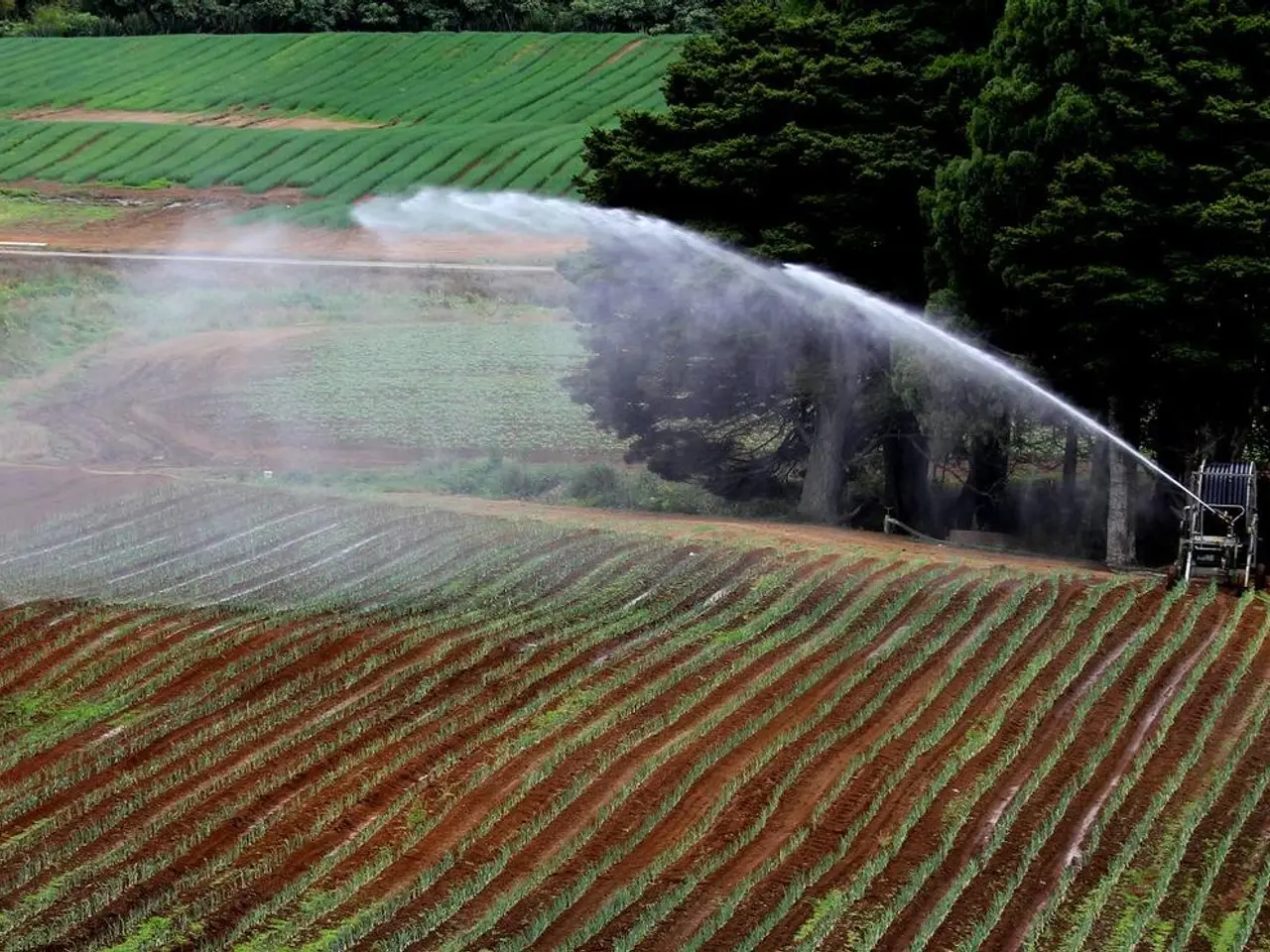
Olamide Fagbuji, Senior Special Assistant to the President on Climate Change, has emphasized the urgency of the CORE Project due to Nigeria's annual loss of 100 million dollars to climate-related flooding. Fagbuji highlights the importance of alternate wetting and drying, improved seed varieties, and low-emission irrigation methods in reducing methane emissions, improving yields, conserving water, and empowering rural communities.
The CORE Project is being implemented by the Deutsche Gesellschaft für Internationale Zusammenarbeit (GIZ) in collaboration with Olam Agri. The project aims to support 12,000 smallholder farmers in climate-smart rice production across Benue, Nasarawa, and Kano States.
Rice, Nigeria's staple crop, is one of the most climate-vulnerable. Agriculture accounts for 25% of Nigeria's GDP but contributes 33% of national GHG emissions, primarily due to methane from rice paddies. The CORE Project promotes climate-smart rice cultivation practices to reduce greenhouse gas (GHG) emissions.
The CORE Project is building a high-quality carbon initiative linking sustainable farming to carbon markets. Carbon credits offered by the project reward farmers for adopting climate-smart agriculture. This initiative is expected to encourage more farmers to adopt these practices, contributing to a more sustainable and resilient agriculture sector in Nigeria.
Olam Agri's Senior Vice President, Paul Nicholson, describes the project as a demonstration of the company's commitment to food security and environmental sustainability. The CORE Project aims to enhance innovation, sustainable value chains, and long-term growth in Nigeria's rice sector.
The funding for the CORE Project aims to transform Nigeria's agri-food system by boosting food security, employment, inclusive growth, and climate resilience. BMZ, in partnership with the Bill & Melinda Gates Foundation and the European Union, has committed 117 million euro to its current agricultural portfolio in Nigeria and the ECOWAS region. Germany has also committed 9.94 billion euro to climate finance in 2023.
Fagbuji urges both public and private stakeholders to invest in climate-smart agriculture and scale the CORE model across Nigeria's rice-producing regions. The CORE Project does not repeat earlier mentioned climate-smart practices (alternate wetting and drying, use of biochar, etc.). Instead, it aims to promote these practices and more, empowering farmers and contributing to a more sustainable future for Nigeria's agriculture sector.