Perspectives on Local Governance in Austria from a European Viewpoint
The European Parliament, located in Brussels, recently welcomed a renovated visitor center. This prestigious institution, directly elected by EU citizens since 1979, currently comprises 720 Members of the European Parliament (MEPs).
Among the MEPs, Austrian representatives have been making their voices heard on various important issues. For instance, Elisabeth Dieringer-Granza (ID group) has been advocating for child protection, women's rights, and the European internal market. Meanwhile, Andreas Schieder (S&D group) has emphasised the importance of co-determination at the European level and EU transport and housing policy.
Helmut Brandstätter (Renew Europe) has been focusing on disinformation and democratic resilience, while Reinhold Lopatka (EPP group) has discussed external and security policy developments, including the situation in the Middle East and decisions in the United States of America. Thomas Waitz (Greens/EFA) has spoken about the European "Green Deal" and the future budgetary priorities of the EU.
In addition to the MEPs, European Municipal Councillors play a significant role in promoting EU-related issues locally. The network "Europe starts in the municipality," which comprises nearly 1,600 European Municipal Councillors, is a cross-party initiative that exists in Austria since 2010. These councillors explain EU content, promote Europe locally, and bring relevant citizen concerns and suggestions to the Austrian federal government and partner institutions of the initiative.
The network is supported by 5 partner institutions, and European Municipal Councillors have regular opportunities to participate in a 3-day information trip to Brussels, funded by the Federal Chancellery and organized in cooperation with the European Commission - Representation in Austria and the European Parliament - Liaison Office in Austria.
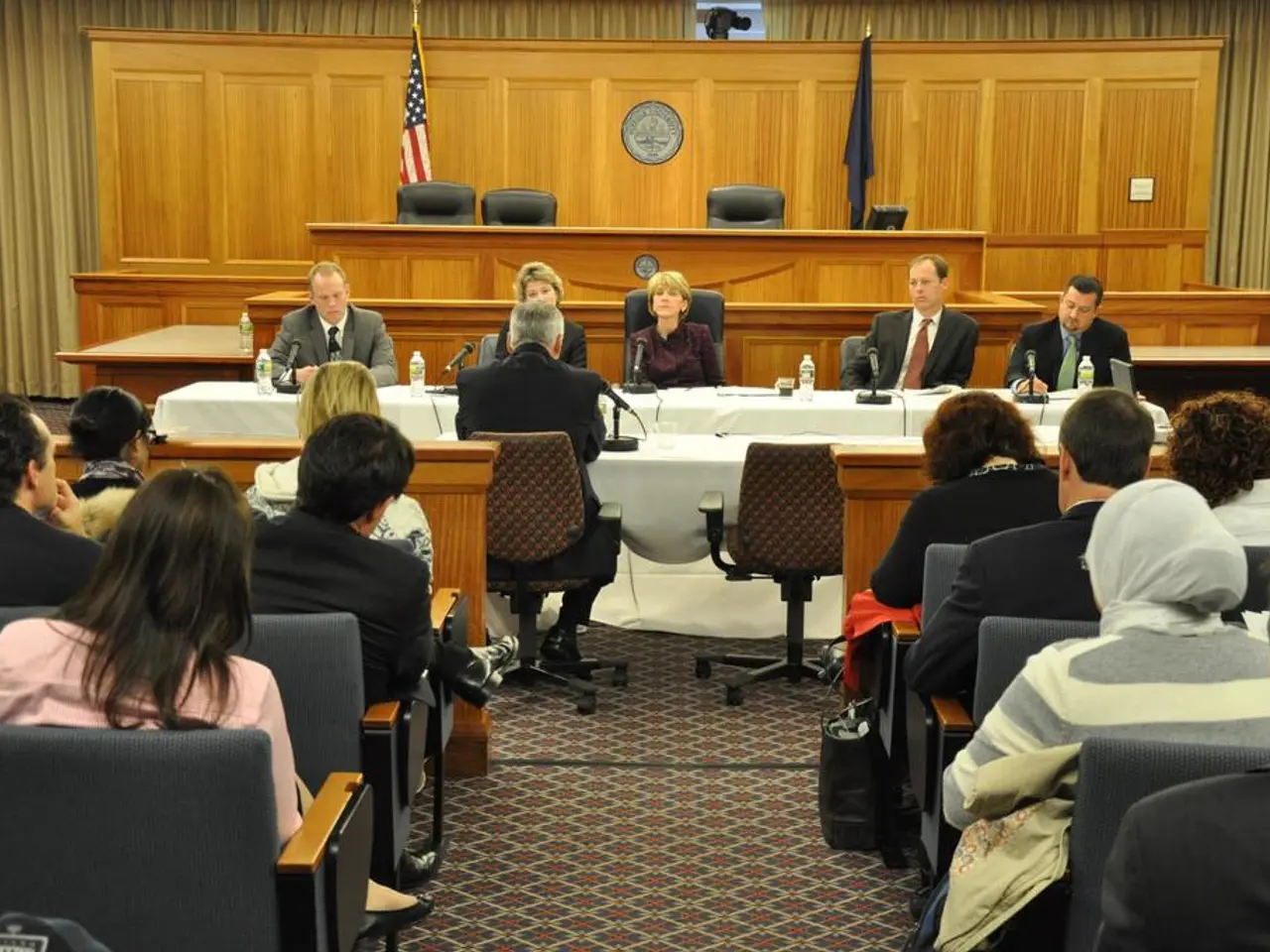
It's worth noting that the last time the European Parliament was directly elected was in 2024. As of now, 20 of the 720 MEPs are from Austria. On July 16, 2025, 5 Austrian MEPs had a lively dialogue with an Austrian visitor group.
Moreover, since his appointment in December 2024, Vorarlberg EU Commissioner Magnus Brunner has been focusing on reforming the EU asylum and migration system. He aims for the implementation of a new system by mid-2026 that includes large asylum centers at EU external borders where applications can be processed within twelve weeks. Brunner also supports negotiating with difficult actors like the Taliban and emphasises the EU's responsibility in managing migration effectively.
In conclusion, the European Parliament continues to be a vibrant platform for discussion and decision-making on a wide range of issues. The active participation of Austrian MEPs and European Municipal Councillors ensures that the voice of Austria is well-represented in the European discourse.
Read also:
- Lu Shiow-yen's Challenging Position as Chair of the Chinese Nationalist Party (KMT) Under Scrutiny in Donovan's Analysis
- Enemy Forces Have Taken Ukrainian Prisoner
- BJP Persuaded Delhi Voters That Supporting AAP Was Pointless, According to Pavan K. Varma
- Potential Democratic Contenders for Presidency in 2028 Yet to Exclude Themselves from Race