
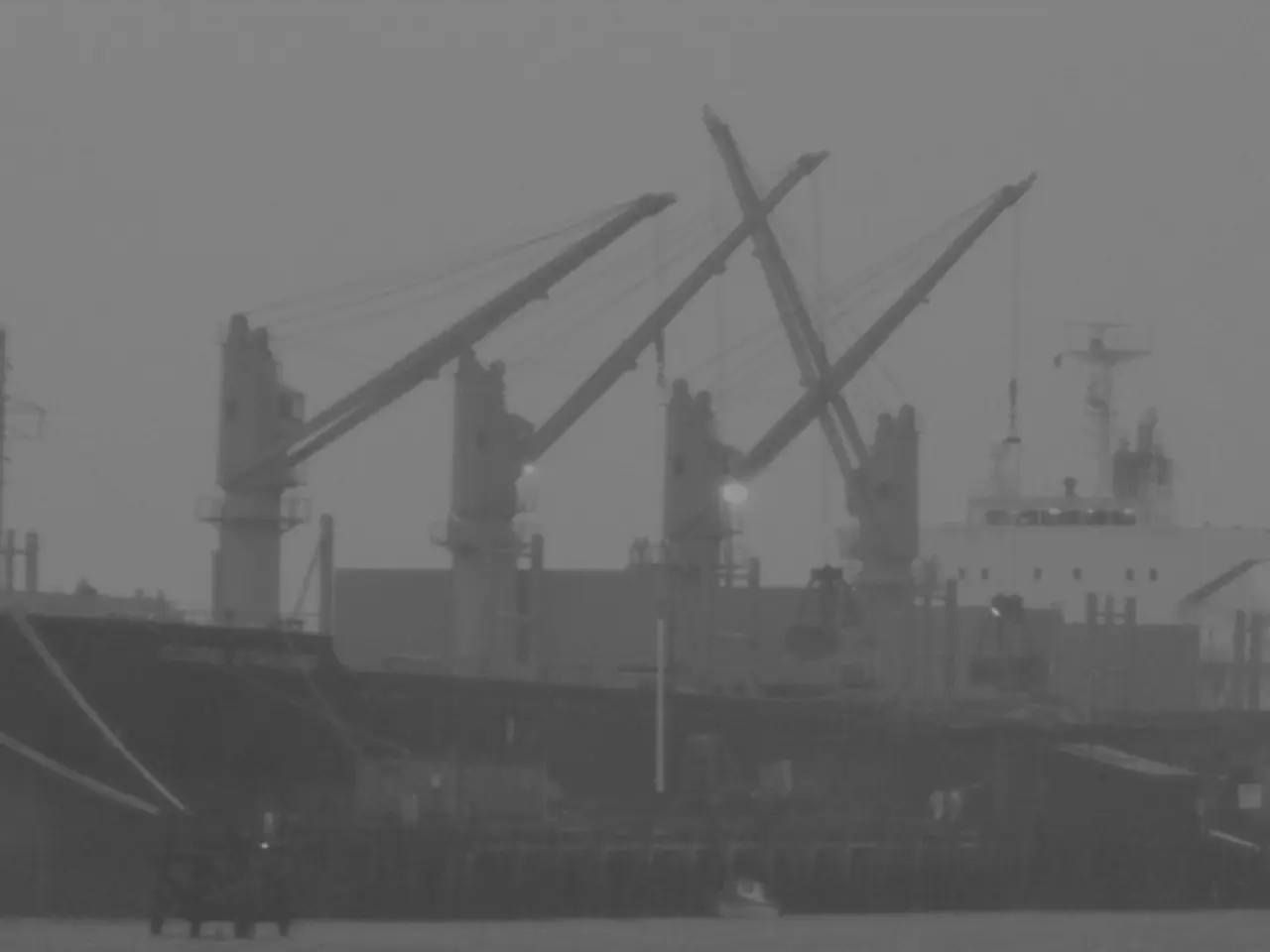
Russia set to carve a shortcut through the Arctic sea
The Russian state company Rosatom is building the world's largest nuclear-powered icebreaker, named 'Rossiya', at the Zvezda shipyard in the Far East, near Vladivostok. This colossal vessel, weighing 70,000 tonnes, similar to a US Nimitz-class aircraft carrier, is designed to break an ice sheet 13-ft thick, more than any other icebreaker.
'Rossiya' will be powered by two nuclear reactors with a total capacity of 630 MW, making it a formidable force in the Arctic. Upon completion, it will be the world's largest nuclear-powered icebreaker ever built. The ship, currently berthed at the Arctic port of Murmansk, is expected to play a significant role in the increasing activity on the Northern Sea Route.
Traffic through the Northern Sea Route has been steadily increasing, from 4 million tonnes in 2012 to 38 million tonnes in 2024. This route, which spans approximately 21 million square kilometers, larger than the US and Canada combined, is home to nearly 21,000 species of flora and fauna.
While the increased activity on the Northern Sea Route offers benefits such as fuel savings for the shipping industry, concerns about its environmental impact are a matter of debate. Icebreaking activities can potentially disturb local fauna's habitats and migratory patterns. Ships following icebreakers may leave soot over the ice, affecting albedo and accelerating ice melt.
However, Russia claims to have taken measures to minimize the Northern Sea Route's environmental impact. They have set up monitoring systems, a marine research center, and undergone international reviews. Yakov Antonov, Director General of Atomflot, stated that there is a substantial body of knowledge confirming the absence of negative impact of the nuclear icebreaker fleet on the Arctic ecosystem.
The shipping industry is expected to transition away from diesel to alternatives like LNG, methanol, green ammonia, or nuclear. In this context, 'Rossiya' could pave the way for a more sustainable future in Arctic navigation.
It's worth noting that only one nuclear-powered container ship, Sevmorput, exists currently, but more could be built if the Northern Sea Route becomes a regular shipping route. The construction of 'Rossiya' is a testament to Russia's commitment to developing its Arctic infrastructure and asserting its presence in the region.
'Rossiya' will make the Northern Sea Route navigable year-round, impacting logistics, environment, climate change, and geopolitics. As the world continues to explore the Arctic for its vast resources and shorter shipping routes, 'Rossiya' stands as a symbol of Russia's ambition and technological prowess in this icy frontier.